Archive — Operator principals
Statecraftsmen
Six figures who clarify the doctrine: four whose work the doctrine takes, two whose pattern it refuses.
Models — what the doctrine takes
A private operator principal building strategic infrastructure abroad under public architecture, with capital, legal permission, and diplomatic backing moving together. The four models name the moves the doctrine still wants: speed, pre-positioning, legitimacy, and competence joined to conscience.
Anti-models — what the doctrine refuses
The structural similarity is genuine, which is why the refusal has to be explicit. When operators treat sovereignty as an obstacle to remove, or when concessions extracted from fiscal weakness become the architecture, the project stops being statecraft. The anti-models name those lines.
Models · IV profiles
What the doctrine takes.
The operator move the doctrine still wants: a private platform that capital can read and a sovereign can defend.
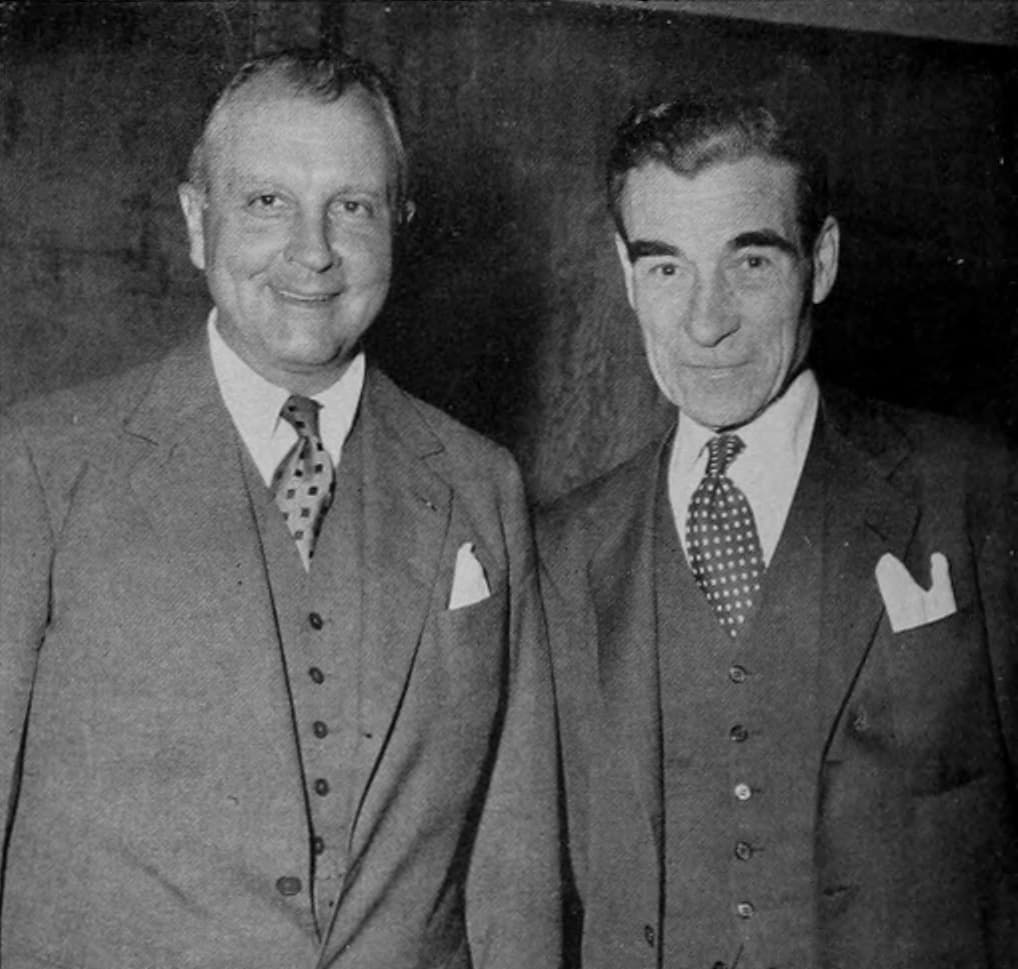
Founder, Pan American World Airways · 1899–1981
I. Juan Trippe
Trippe proved that a privately run platform, backed by public architecture and legible to capital, can extend American reach abroad faster than a bureaucracy can build it on its own.
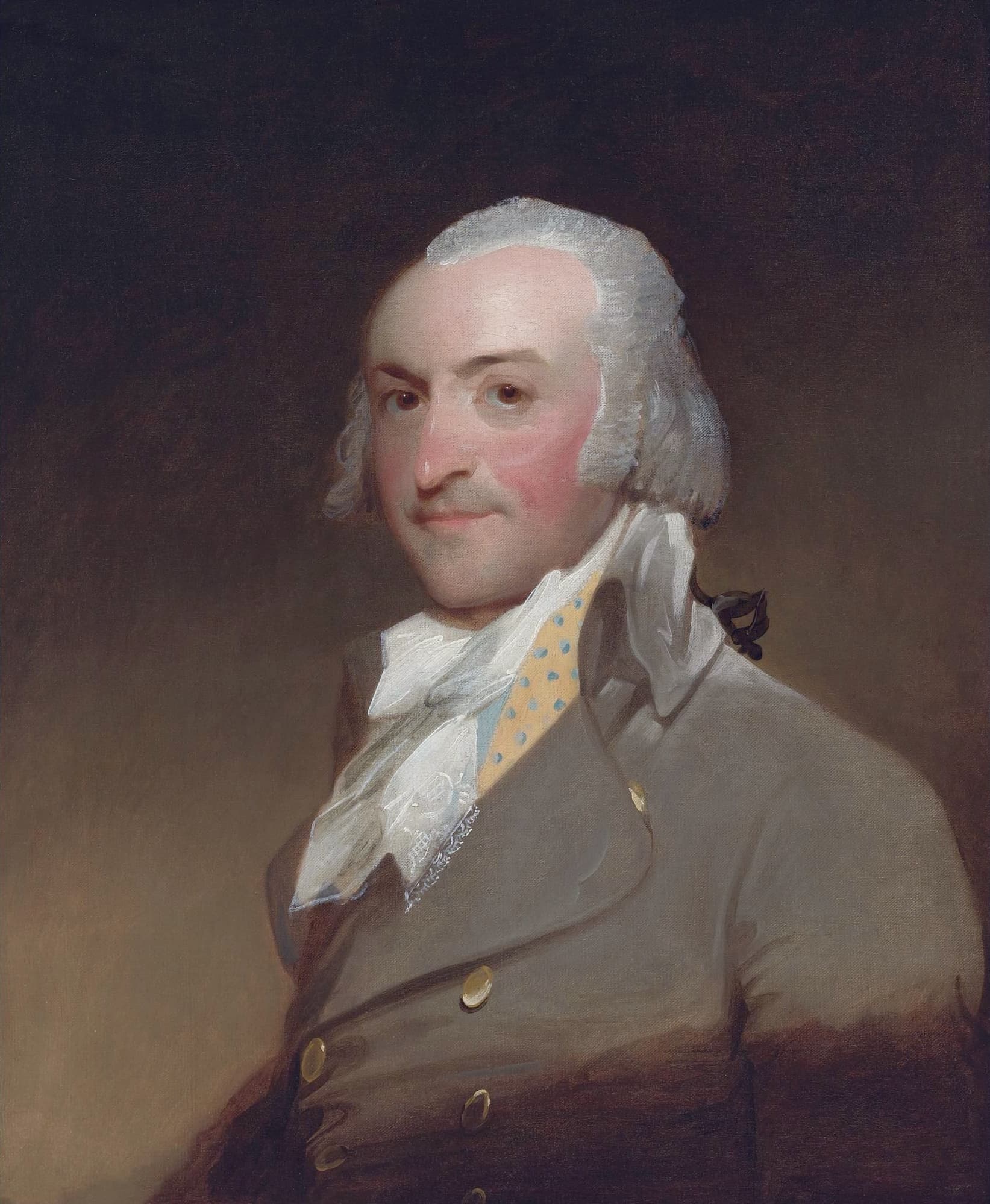
Founder, Pacific Fur Company · 1763–1848
II. John Jacob Astor
Astoria proved that a privately financed commercial foothold can harden into geopolitical fact long after the original venture has failed.
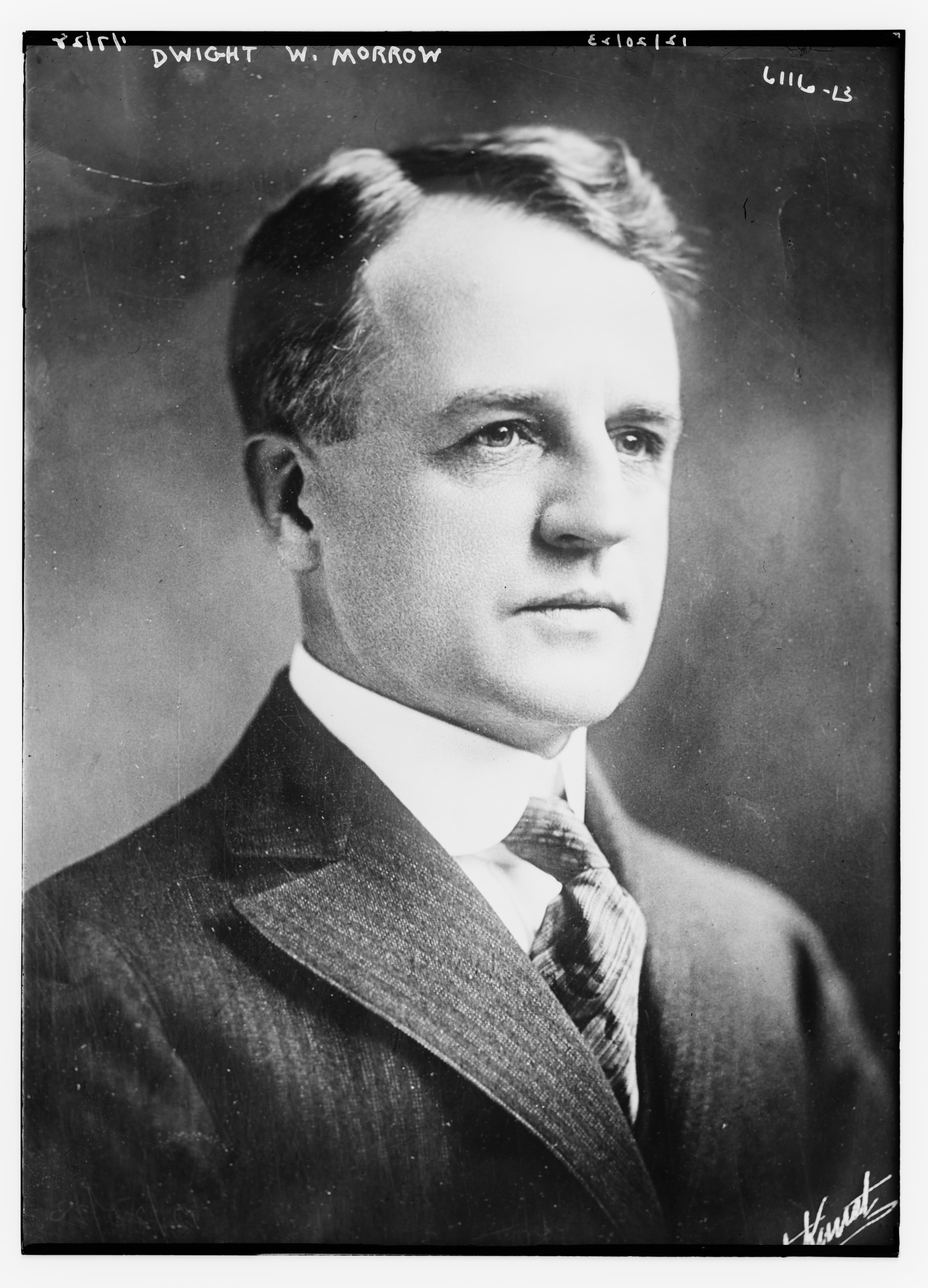
Partner, J.P. Morgan & Co.; Ambassador to Mexico · 1873–1931
III. Dwight Morrow
Morrow established the legitimacy rule: American capital abroad lasts only when the host nation believes it serves the nation's own interest.
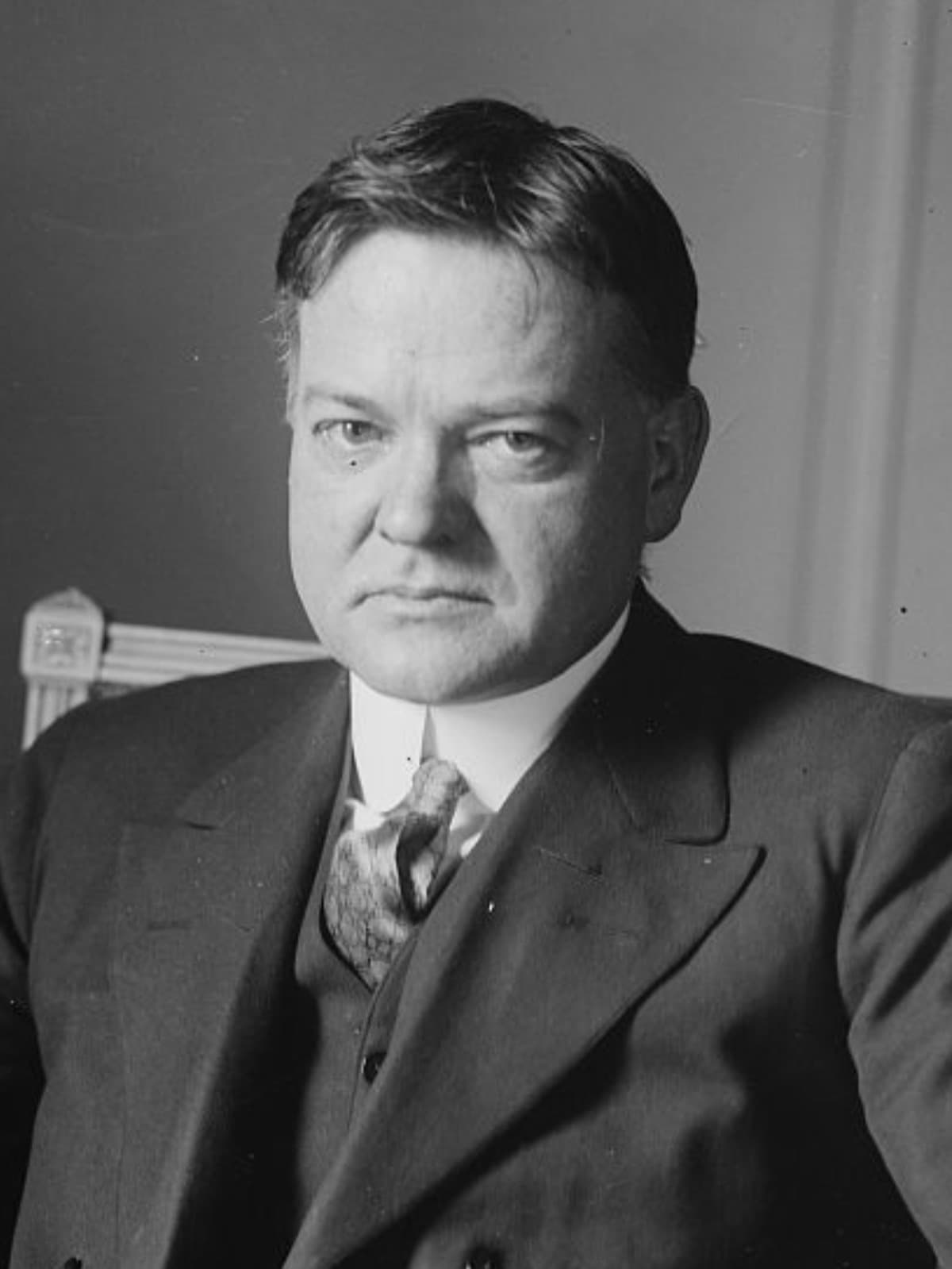
Mining engineer and global businessman · 1874–1964
IV. Herbert Hoover
Hoover joined operating competence to moral argument, showing that serious builders need a governing philosophy and not just commercial nerve.
Anti-models · II profiles
What the doctrine refuses.
Two operators whose pattern the doctrine names so that it can avoid repeating it.
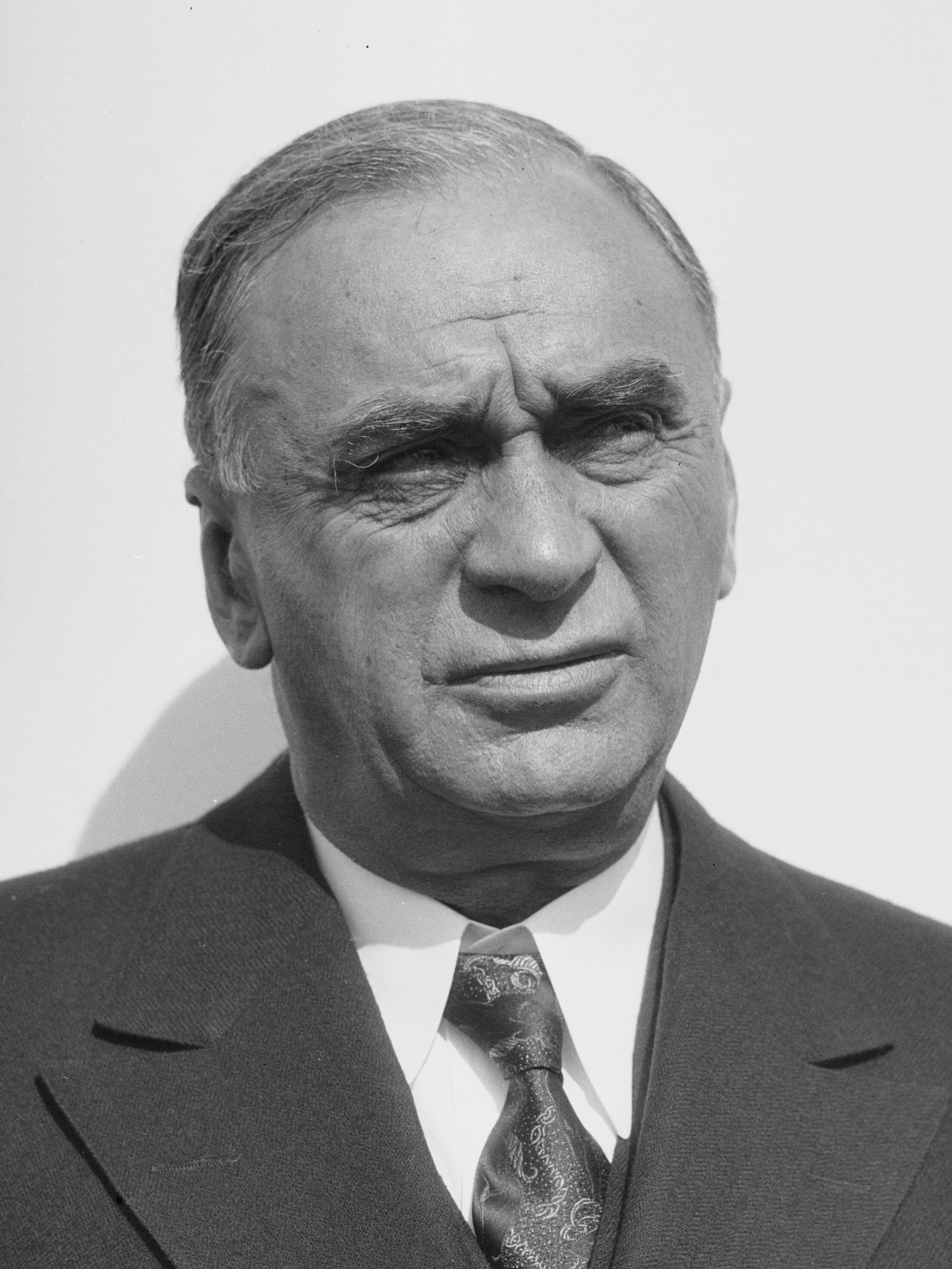
Founder, Cuyamel Fruit Company · 1877–1961
I. Samuel Zemurray
Zemurray marks the line the doctrine will not cross: once a private operator treats sovereignty as an obstacle to remove, statecraft collapses into predation.
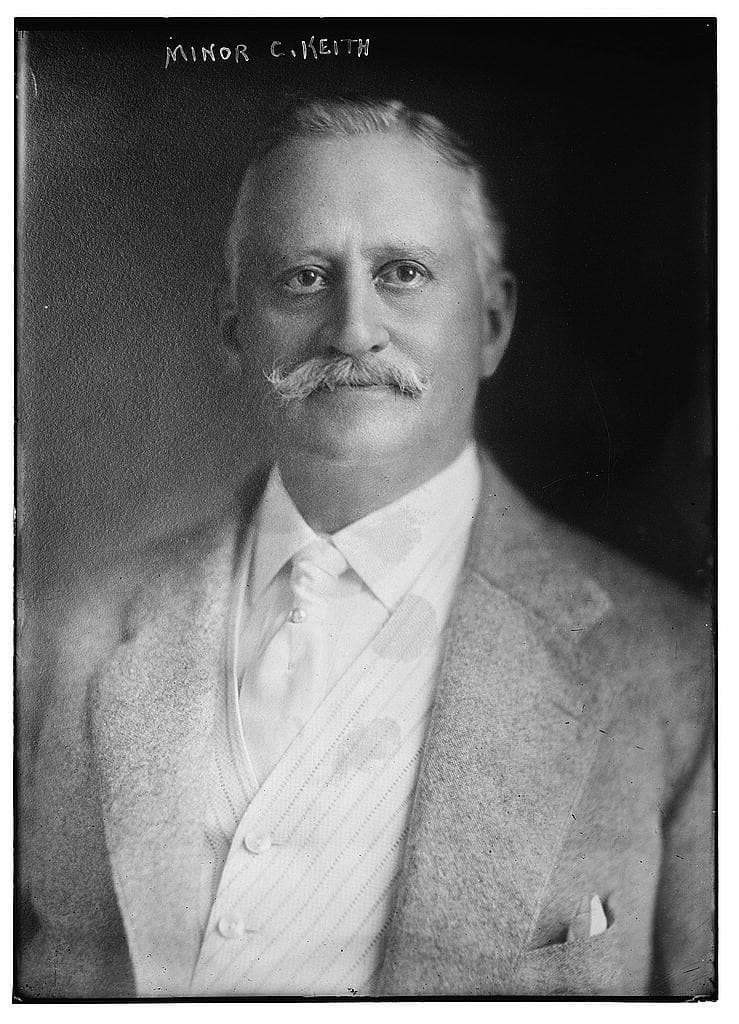
Railroad builder and banana entrepreneur · 1848–1929
II. Minor Keith
Keith shows how infrastructure, concessions, and capital can slide into legal capture when host-country consent is reduced to elite bargaining under fiscal distress.